No Better IRL Than Camp
After his son’s first summer at North Star, a dad called me with a story I have not been able to shake. Before camp, the boy woke up early every morning, especially on the weekends, not because he was rested or excited about the day, but because his brain had learned that the first quiet minutes of the morning, before anyone was around to say no, belonged to the iPad. Then he spent a summer at a place with no iPads to be seen, and when he came home, he started sleeping later.
“I knew camp was going to be good for him,” his dad told me, “but I can’t believe that he actually sleeps later from being unplugged for the summer.”
Nobody had taught him to sleep in, and nobody had to. The habit simply had nothing left to feed it.
I thought about that story a lot this fall, partly because of my work with the American Camp Association. In August, Meta agreed to settle a lawsuit brought by nearly every state in the country, accusing the company of designing Instagram and Facebook to hook kids. The settlement adds daily time limits and quiets notifications during the school day, and I am glad for both. But a time limit is still a limit on something built to pull a child back, and the camp world has spent the fall making a simple case to anyone who will listen: limiting a harm is not the same as replacing it with something better. The people trying to direct that money have even given the effort a name, Fund IRL, for “in real life.” I can’t think of a place more fully in real life than a cabin on Spider Lake.
The research on this has caught up with what camp people have known for a long time. A 2015 review of 67 studies found that in roughly nine out of ten, more screen time went along with kids sleeping less and falling asleep later. A UCLA study sent a group of sixth graders to an outdoor education camp for five days with no phones, television or internet, and tested them before and after on how well they could read emotion in photos and videos of people’s faces; the camp group improved markedly, while classmates who stayed home with their usual screens didn’t change at all. “You can’t learn non-verbal emotional cues from a screen,” the study’s lead author said, “in the way you can learn it from face-to-face communication.” And the psychiatrist Victoria Dunckley, in Reset Your Child’s Brain, lays out a plan for reversing the effects of heavy screen use built around a break of 30 days, which, as more than one parent has pointed out to me, is right about the length of a North Star session.
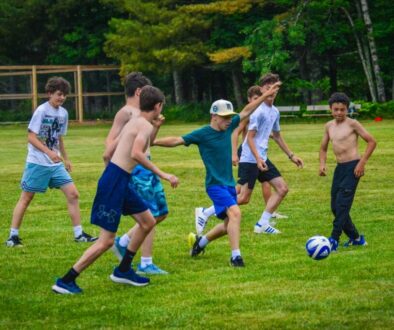
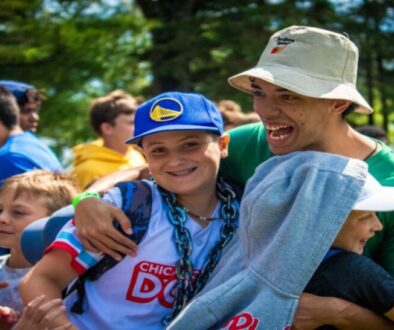
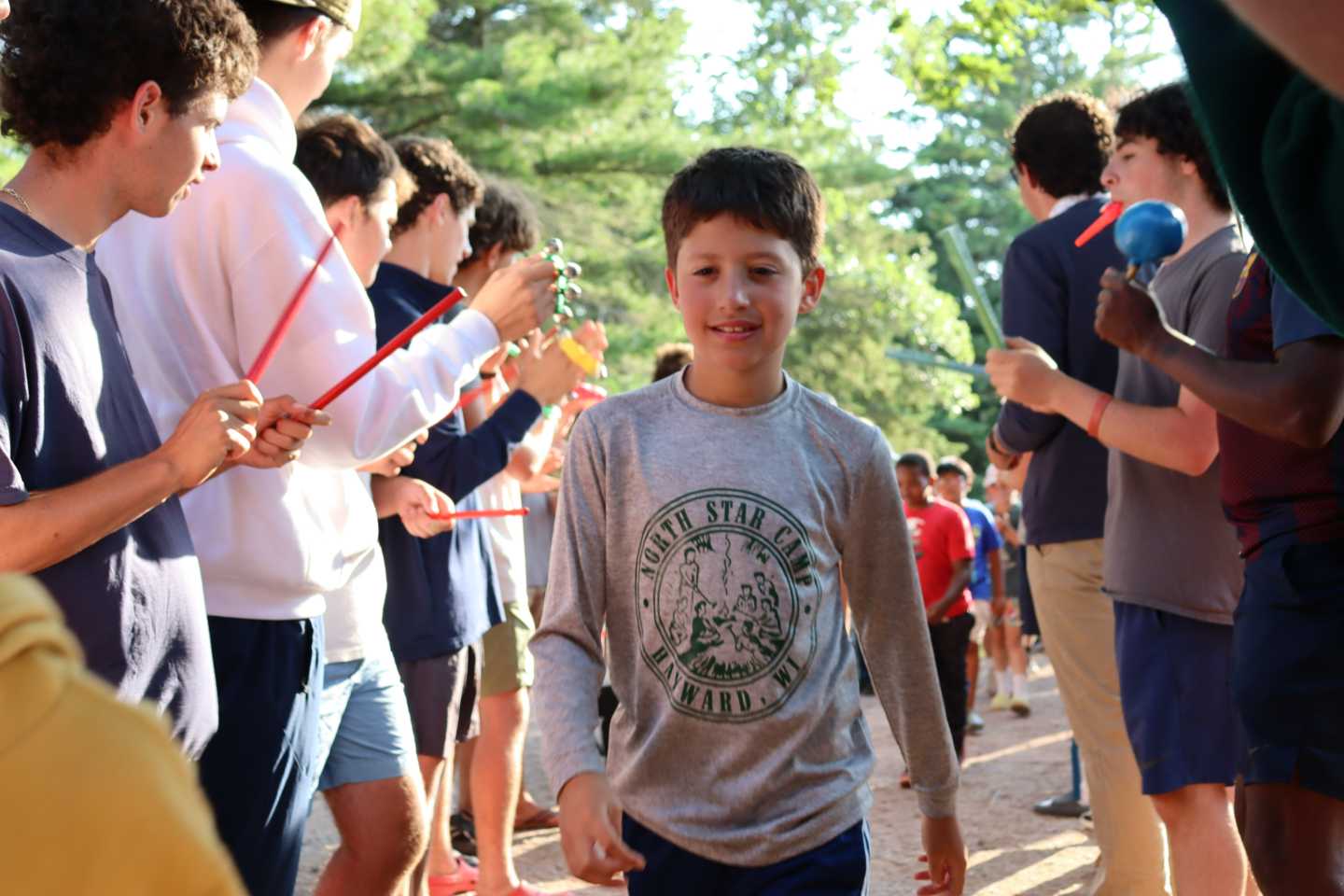
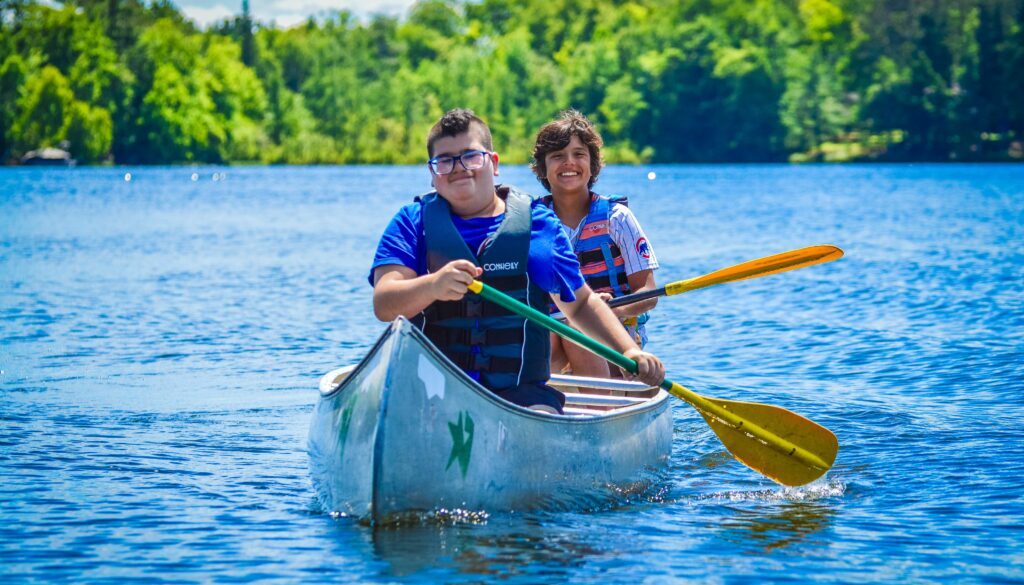
What I love about camp is that it never feels like a reset to the boys. Nobody at North Star experiences a summer as a screen fast, because the day is too full for anyone to notice what’s missing. There are letters to write home twice a week, river trips on the Namekagon, Cruiser Day cookouts, when each cabin cooks its own dinner over a fire, and the hour we call Unorganized Free, when no adult tells the boys what to play, so they invent a game, argue about the rules and work it out themselves. In all my years here I have never had a camper tell me, at the end of a summer, that he missed his video games. But they definitely come home missing their friends, their counselors, their activities and the nature from camp.
So here is what I would ask of you this winter. When a friend tells you their son is on his phone too much, or that he can’t fall asleep, or that they’re thinking about camp but aren’t sure he could handle a month without a screen, tell them what you have seen in your own son. A long stretch at a good overnight camp is one of the few things that gives a kid’s mind back to him, and the families who most need to hear that are usually the ones who haven’t made the leap yet.
That boy didn’t need a lecture or a lock on the iPad. He needed a few weeks somewhere the morning belonged to him again.
Carry On,
Andy