The World Cup Captain and MVP Went to Camp
Spain’s World Cup captain spent three summers at sleepaway camp in the US.
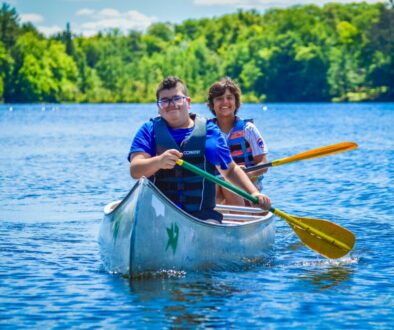
In 2010, Rodri was a 14-year-old in Atlético Madrid’s academy when his parents sent him to Incarnation Camp in Connecticut. They wanted him to have a summer away from football, knowing it was a luxury their gifted son might soon lose. He later described the place in The Players’ Tribune: “You know the movies where the kids go to the camp on a big lake and there’s wooden canoes and you’re climbing trees and sleeping in tents and starting fires with sticks? It was really like that.” No phones, no Wi-Fi, a new country, and a second language to make friends in.
His timing was terrible. The World Cup was underway, and camp was built to keep the outside world out. During the quarterfinals he was on a five-day canoe trip, and he waited two days to learn that Spain had beaten Paraguay. “He needed to watch it like he needed to breathe,” his tent-mate told The Athletic. So for the final, one of the program leaders bought a TV at Walmart, planning to return it the next morning, and ran a cable to the rec hall. When Iniesta scored, Rodri banged the table so hard the screen wobbled, then ran laps around camp.
He played football every chance he got. He also swam, climbed, canoed, cooked with his tent-mate, serenaded camp with Enrique Iglesias, and fought what one friend called “epic ping-pong battles.” He came back as a camper in 2011 and again in 2012, at 16, as a volunteer. “Everything that’s led him to be a captain now,” the camp’s program director told a Connecticut TV station this July, “that stuff started to blossom at camp.” Sixteen years after that first summer, Rodri captained Spain to the World Cup and won the Golden Ball as the tournament’s best player.
I tell this story because every fall I talk with families who love camp and worry about what a summer away will cost their son athletically. Club seasons don’t really end anymore. There are summer showcases, travel tournaments, and coaches who make it clear that missing them means falling behind. I understand the pressure. It’s happening in my own house too. Rodri’s parents faced a version of it with a son already in one of Europe’s top academies, and they sent him to the woods anyway. The research suggests they were right.
Youth sports have their place. They teach commitment, coachability, and what it means to be accountable to a team. I’m not asking anyone to choose between camp and sports. I’m asking whether one sport, twelve months a year, is actually the fastest path to the goals families have for their sons.
One of the most comprehensive studies on the question says it isn’t. In 2022, a team led by sport scientist Arne Güllich pooled 51 studies covering more than 6,000 athletes, including 772 world-class performers. Compared with athletes who topped out at the national level, the world-class athletes started their main sport later, practiced it less as kids, and played more of other sports growing up. In the researchers’ words, world-class athletes who specialized early “are the exception, not the rule.”
College athletes tell the same story. A 2019 study of 303 Division I athletes found they specialized, on average, at almost 15. Only about one in six had done so by age 12, and in team sports the average was closer to 15 and a half.
The medical guidance lines up behind it. The American Academy of Pediatrics advises young athletes to take at least three months a year away from their main sport, in one-month blocks, and says that “early diversification and delayed specialization” makes lifetime sports involvement, fitness, “and possibly elite participation” more likely. The National Athletic Trainers’ Association recommends no more than eight months a year in any single sport. And a study of nearly 1,200 young athletes led by Dr. Neeru Jayanthi at Emory found that kids who specialized before 12 were more likely to get hurt.
Read those guidelines together and a month at camp stops looking like time off from athletic development. It looks like what the doctor ordered.
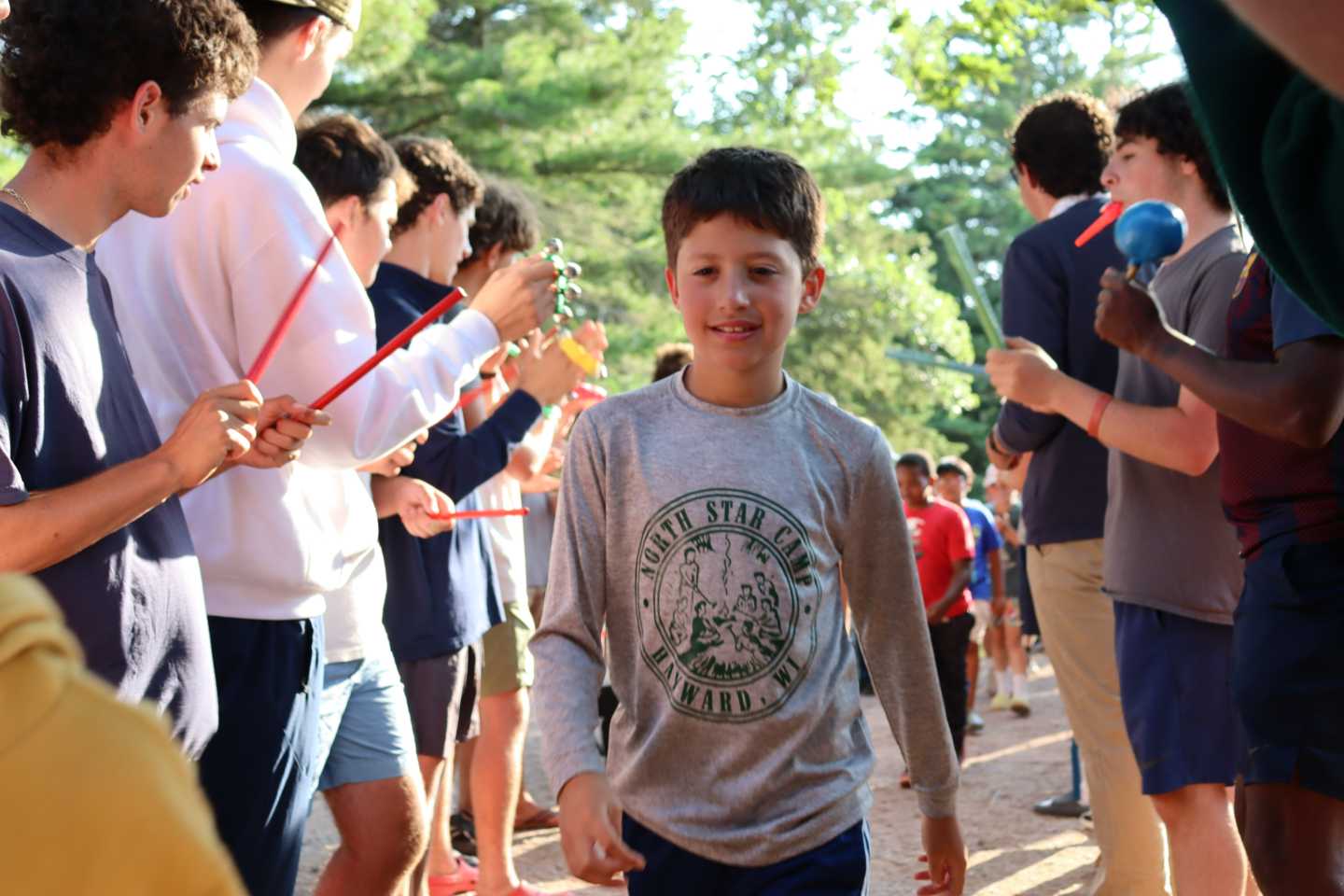
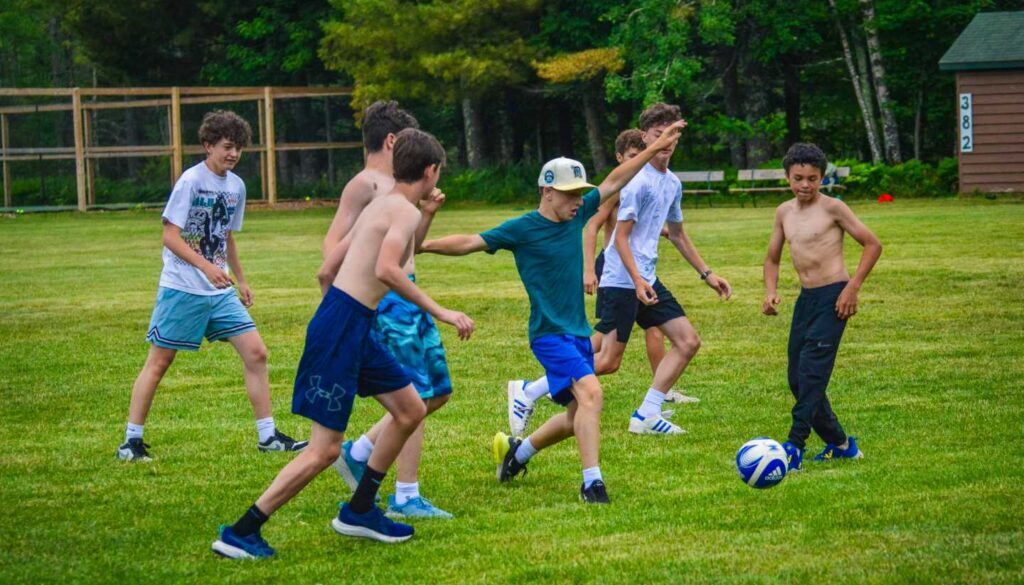
It helps that camp is not a month on the couch. On a normal day here, a boy might swim, play tennis, climb, and waterski, then finish with ultimate or basketball after dinner. He hikes and paddles on wilderness trips. During Unorganized Free, nobody tells him what to play, so he invents a game, argues about the rules, and works it out with his friends. That range of movement is exactly what the research credits.
Then there are the things that never show up in a stat line. This summer at flagpole, our value of the day was effort, and I pointed to Lamine Yamal chasing down a back pass to the goalkeeper in the 119th minute of the final, with the game all but won. He just did it again at Wembley. He kept running as England played a back pass to their goalkeeper, picked it off, and scored in the second minute. On the Fourth of July, every camper, from our youngest to our oldest, was responsible for a leg of the Green-White Marathon, because every event counted for the team. Boys learn to be the teammate who keeps running when it no longer matters by living it, and camp gives them four weeks to live it.
Spain doesn’t pick its players for being the biggest or the strongest. They win because they commit to the craft and play for each other. That is who we want our boys to be, on the field and off it. The club season will be there when they get home. So will their teammates, and they will be better ones.