What Boys Learn Through Play at Overnight Camp
It is easy to underestimate play, because it looks so ordinary that we forget how much kids are learning while they are doing it. At North Star Camp for Boys in the Wisconsin Northwoods, play is woven through the whole day, and a closer look reveals why it matters so much for growing boys. From pickup games to gaga pits, here is what happens when an overnight camp gives kids real room to play, and why it stays with them once they head home.
A Camp Built for Play
This week, I have been able to play a lot. I played soccer with the younger boys, running around the field with them while their counselors infused the game with energy, encouragement, and just the right amount of chaos. I played gaga and watched as the campers channeled their own energy into something simple and joyful, diving toward the ball, popping back up, laughing, and immediately wanting one more round. I played continuous dodgeball with lots of campers, and as soon as I stepped onto the field, I became the most wanted target in the game. Every throw seemed to come my way, which is exactly how it should be when the camp director wanders into dodgeball.
I jumped into a beginning tennis class and played King of the Court with campers who were still learning the basics, but talked a lot of trash. I played pickleball with Gabe G. during Organized Free. I played chess with some of our younger campers and, thankfully, was still able to beat them. I tried to throw a disc golf disc during a lesson, and most of my throws sailed way off to the right. And last night, after the campers were in bed, I played staff basketball in the Fieldhouse with 13 other counselors rotating through, burning off some steam, getting some adult time, and remembering that our staff need to play too.
None of these moments were major events on the camp calendar, and they will not show up as traditions with names or trophies or closing ceremonies. Together, though, they added up to the kind of week that reminds me why we protect this much play time on the schedule in the first place.
Play Teaches More Than the Game
Play is easy to underestimate because it can look so ordinary. Boys love just bouncing, kicking or throwing the balls. They argue briefly about whether somebody was out, then figure it out and keep going. The counselors jump into a game and make it feel bigger just by caring. Campers try something new, miss badly, laugh, and try again.
In those moments, boys are learning more than the game. They are learning how to join in, take turns, compete without making it mean, recover from failures, and help create the fun instead of just waiting for it to happen. Those are the kinds of habits that show up years later in a locker room, a group project, or a family dinner, and camp is a good place to build them.
Structure and Room to Roam
Our boys have structure here, but they also have room. They have scheduled activities and instruction, but they also have Organized Free, cabin time, gaga pits, tetherball poles, basketball courts, fishing docks, tennis courts, card tables, chess boards, and open fields where a game can begin because one kid asks another, “Do you want to play?”
That question matters because it is so often how a friendship starts or deepens, and the Northwoods setting quietly encourages it by giving boys the space and the unhurried afternoons to ask.
When Adults Play Too, Trust Grows
When adults play alongside kids, the relationship changes too. A counselor, instructor, or even the director is still responsible for keeping kids safe and helping the community run well. But in a game, we also get to know each other differently. I see who is competitive, who is funny, who is patient, who gets frustrated and needs a little help moving through it. Campers see me miss shots, make mistakes, try hard, and laugh at myself.
Those moments build trust, and trust matters here as much as anything else on the schedule. So much of what kids get asked to do outside of camp is performative, and letting them play with the adults in their lives, without a scoreboard or a coach or an audience, is one of the ways we keep the tone here honest.
The Energy of a Full Camp
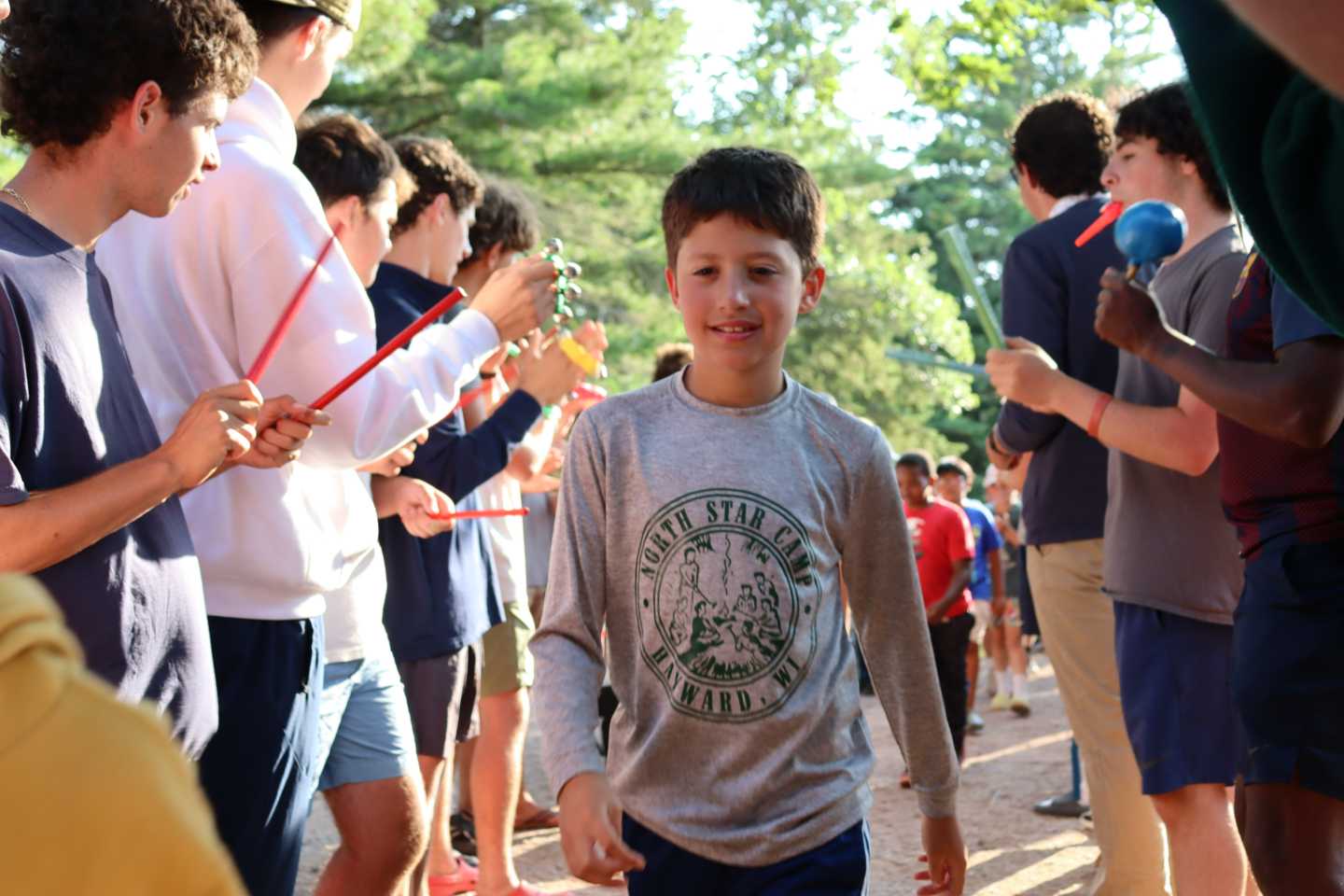
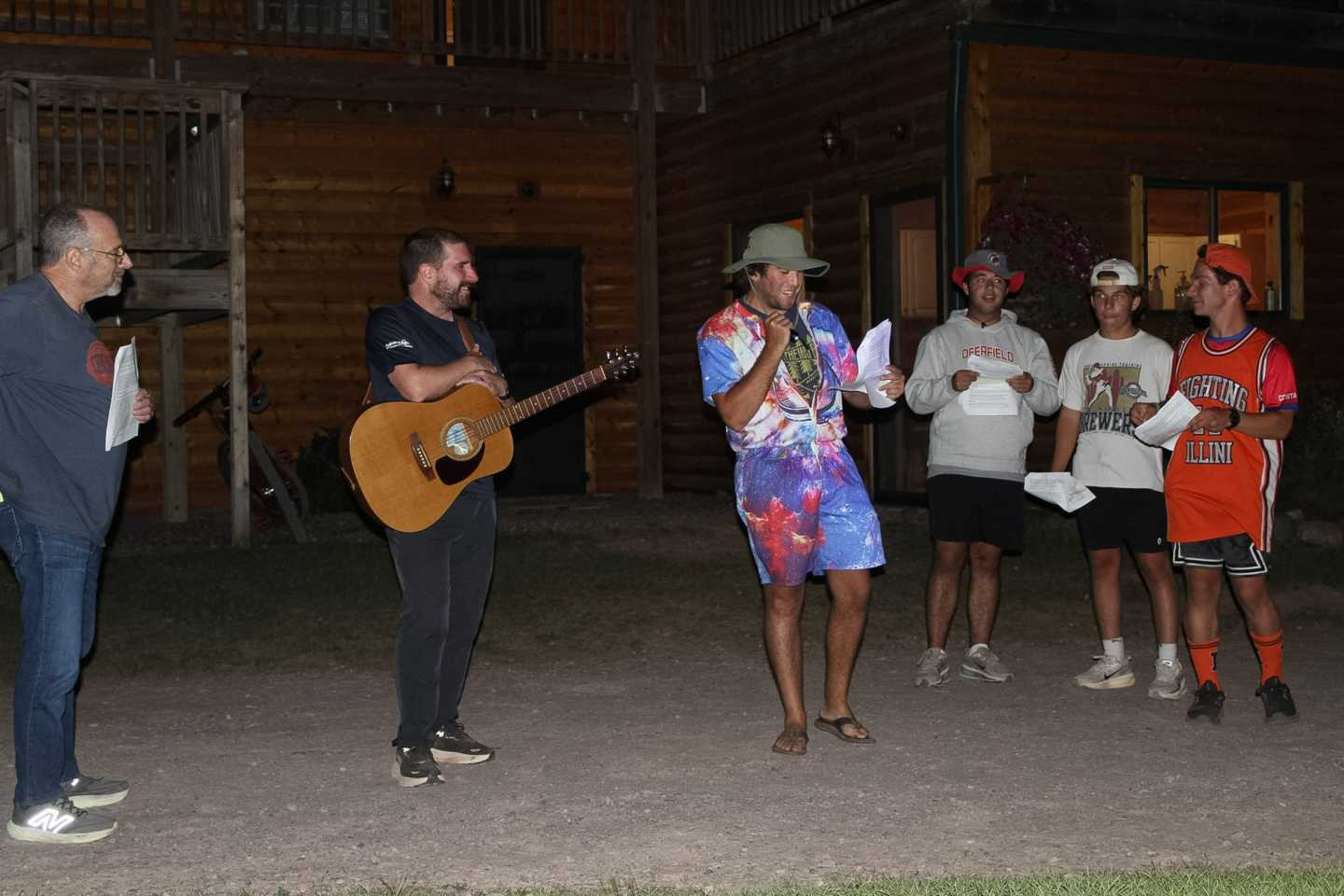
The sense of community grows even stronger when Wilderness Trips return. After several cabins came back from the Superior Hiking Trail and the Brule River, camp was louder and more energetic as they added to the cheering at dinner. After dinner (and Wanegan!) the campers played a huge game of Pokemon which involved chasing costumed counselors all over camp, and they had a blast.
Those quiet skill-building afternoons and the loud, full-camp games in the evening are two sides of the same summer, and both of them are why so many campers can still tell you what they played on a random Tuesday years after they went home.
“Real integrity is doing the right thing, knowing that nobody’s going to know whether you did it or not.” — Oprah Winfrey
Curious what daily life looks like at North Star Camp for Boys? Explore our activities and about page, or reach out through our inquiry form to schedule a tour of our Northwoods home.
FAQ
Why is play so important at summer camp?
Through play, boys learn teamwork, fairness, resilience, and how to make their own fun. These skills are easy to overlook but valuable, and camp gives kids plenty of room to practice them.
Do counselors and staff play with the campers?
Yes. Counselors and even directors regularly join games. Playing alongside campers builds trust and lets staff and kids get to know each other in a relaxed, genuine way.
How does camp balance structure and free time?
Campers have scheduled activities and instruction along with free time, Cabin Time, and open spaces, so there is always both guidance and room for spontaneous, kid-led games to begin.