What Unorganized Free Time at Summer Camp Teaches Boys
So much of modern childhood is scheduled, with practices, lessons, and organized activities filling the calendar, and genuine free time can be hard to come by. One of the quiet gifts of an overnight camp is that it gives that time back. At North Star Camp for Boys in the Wisconsin Northwoods, a single Sunday evening pairs two traditions, Unorganized Free and Cabin Campfires, that show how unstructured time helps boys grow into kind, capable young people. Here is a look at why it matters.
The Value of Unorganized Free Time
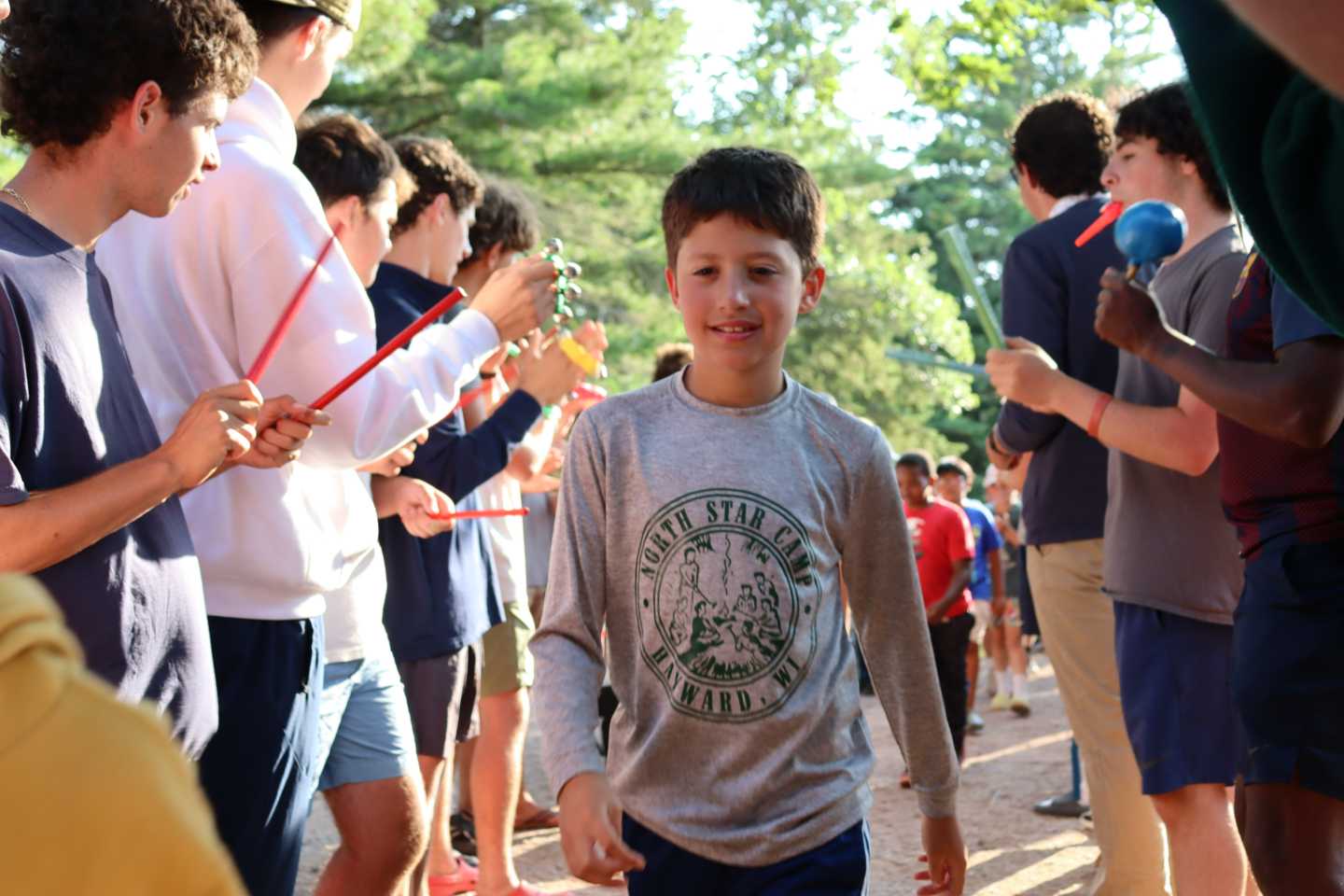
One camp tradition is called Unorganized Free. For an hour, the boys spread out across camp and decide entirely for themselves how to spend their time. Some head to Swim Point. Others organize pickup games on the athletic fields, gather around tetherball poles, play cards on cabin porches, fish from the docks, toss frisbees, or simply walk around camp with friends.
It sounds simple, but free play like this is increasingly rare for kids, and giving boys the chance to direct their own time is one of the ways camp teaches decision-making, creativity, and independence. At a boys summer camp, those unstructured moments are a deliberate part of how the day is designed, not an afterthought that gets squeezed in when the schedule allows.
Friendships That Form on Their Own
There is a reason so many of the strongest camp friendships are built during free time. When boys are not assigned to the same activity, they have to seek each other out. They choose who to spend time with and what to do together, and friendships develop naturally as a result.
Being able to choose your own company for an hour is not something most kids get much of during the school year, and the Northwoods setting gives them plenty of room to spread out and find the boys they most want to be with.
Cabin Campfires and the Keylog Tradition
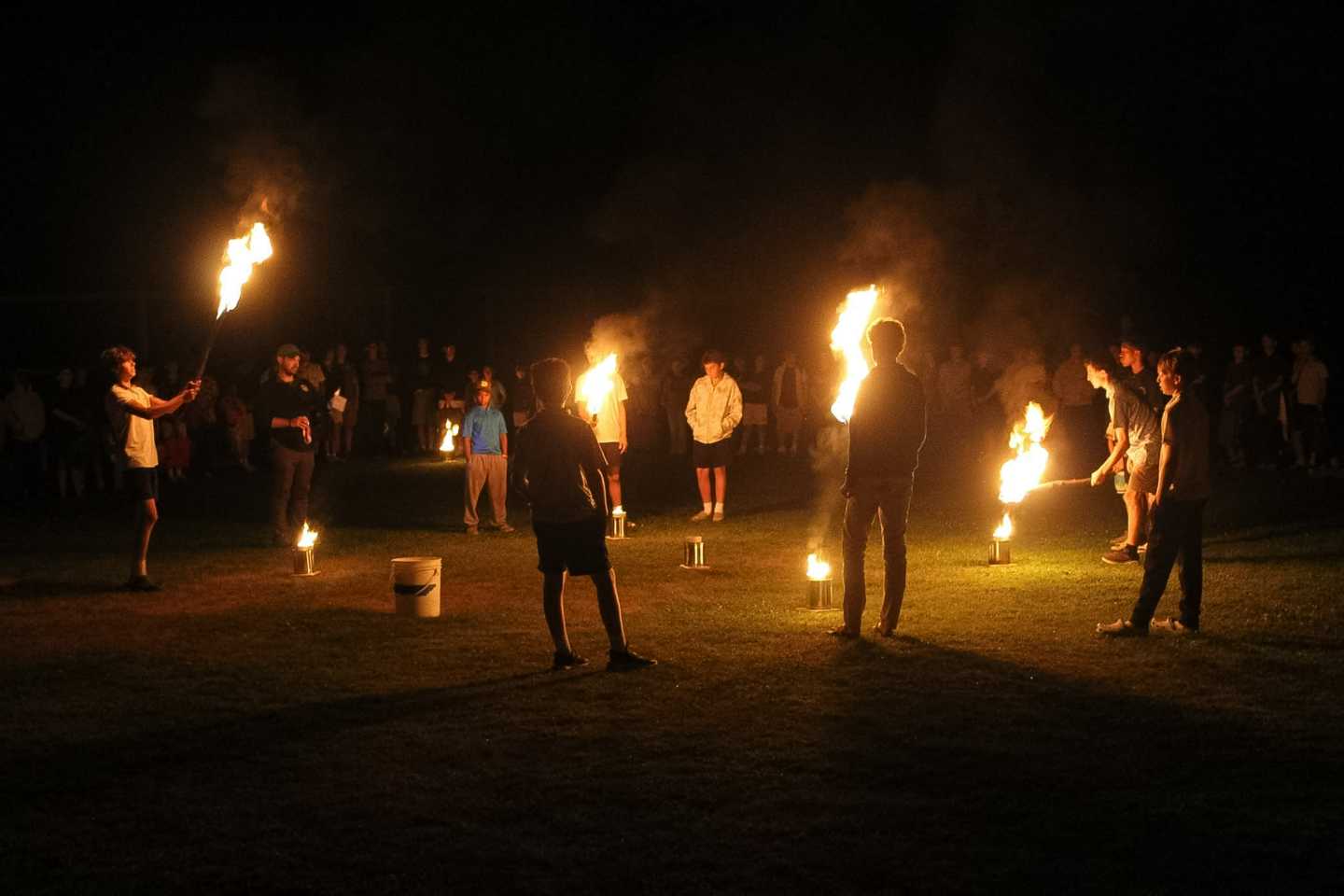
As the evening continued, cabins gathered around campfires across camp for the first Cabin Campfire of the summer. Around their fires, campers reflected on the week behind them and looked ahead to the ones to come. They talked about goals for the summer, the kind of cabin community they want to build, the accomplishments they were proud of, and the challenges they hoped to overcome.
They also took part in one of camp’s most meaningful traditions, the cabin keylog. Just as they do at Friday Night Service, campers recognized one another for acts of kindness, friendship, leadership, and support. One boy might thank a cabinmate for helping him feel welcome on arrival day. Another might recognize someone who encouraged him during his swim test at Swim Point or helped him through a hard moment. Small rituals like the keylog give boys structured practice at noticing the people around them and saying thank you out loud.
Learning to Look Out for One Another
The goal of these traditions is to nurture kindness, reliability, empathy, and a willingness to support others. Cabin Campfires give boys a chance to think intentionally about the kind of friend they want to be.
As I visited campfires tonight, I heard boys discussing exactly that. Beth and I listened as one of our older campers said he wanted to keep supporting younger campers and being a good role model, and that he feels at his best when he is making the little guys feel good about themselves. He had already spent part of his Unorganized Free earlier that day teaching a younger camper how to pitch, which was a nice example of a boy putting into practice the very thing he was describing.
Lessons That Last Beyond the Summer
Every day, counselors invest in their campers’ growth. They listen when boys are frustrated, help them process disappointment, encourage healthy risks, and show campers that someone genuinely cares about their success. Campers feel that support, and then they begin practicing the same skills with one another.
They pick up empathy, patience, and responsibility, and they learn how to encourage others, how to listen, and how to care about someone else’s growth as much as their own. Those are habits boys carry back into their families, their teams, and their classrooms once the session ends.
“The best way to cheer yourself up is to try to cheer somebody else up.” — Mark Twain
Want to learn more about the community and traditions at North Star Camp for Boys? Explore our about page and camp traditions, or reach out through our inquiry form to schedule a tour of our Northwoods home.
FAQ
Why is Unorganized Free time important at camp?
Free play lets boys make their own choices, exercise creativity and independence, and form friendships naturally, all things that are increasingly rare in a heavily scheduled childhood.
What is a cabin keylog?
It is a Cabin Campfire tradition where campers recognize one another for kindness, friendship, and support. It teaches boys to notice the people around them and to express gratitude.
How does camp help build character?
Through daily support from counselors and reflective traditions like Cabin Campfires, boys practice empathy, patience, and responsibility, learning to care about others’ growth as much as their own.